
Author
Senior Blockchain Developer & Smart Contract Security Engineer
Muhammad Asif is a blockchain developer and security engineer with over 8 years of experience building Web3 systems. He founded Blockhertz in 2018 — an AI-powered blockchain engineering platform serving clients worldwide.
He specializes in smart contract security auditing, RWA tokenization platform development, and blockchain architecture design. He holds a BSc in Computer Science from Karachi University (2008) and a PIAIC Blockchain Certification (2021).
At Blockhertz, he leads development of the AI Smart Contract Auditor, AI Architecture Generator, Gas Optimizer, Tokenomics Designer, and the open-source hardhat-blockhertz plugin — used by blockchain developers across 16+ blockchains worldwide.
Smart Contract Security
MythX combines symbolic execution, fuzzing, and static analysis from ConsenSys. Blockhertz uses LLM-based AI to catch business logic vulnerabilities MythX can’t find. Here’s which tool to use — and when to use both.
RWA Tokenization
The tokenized RWA market hit $46.2B in 2026. Ethereum holds 48% ($22.2B) with BlackRock, Ondo, and Franklin Templeton. Polygon offers $0.01 fees and sovereign chains via CDK. Here's the data-driven decision framework for your project.
Security Reports
September 2026 saw $766M in blockchain losses — the worst month of 2026. Bitget lost $387.5M to a supply chain attack, Liquid Network $318.7M to a cryptographic flaw. Here's the full breakdown.
Security
$768M stolen in 30 days. Bitget and Liquid Network were hit in September 2026 — the worst hack month in DeFi history. Here's what went wrong and what every protocol must do now.
Smart Contract Security
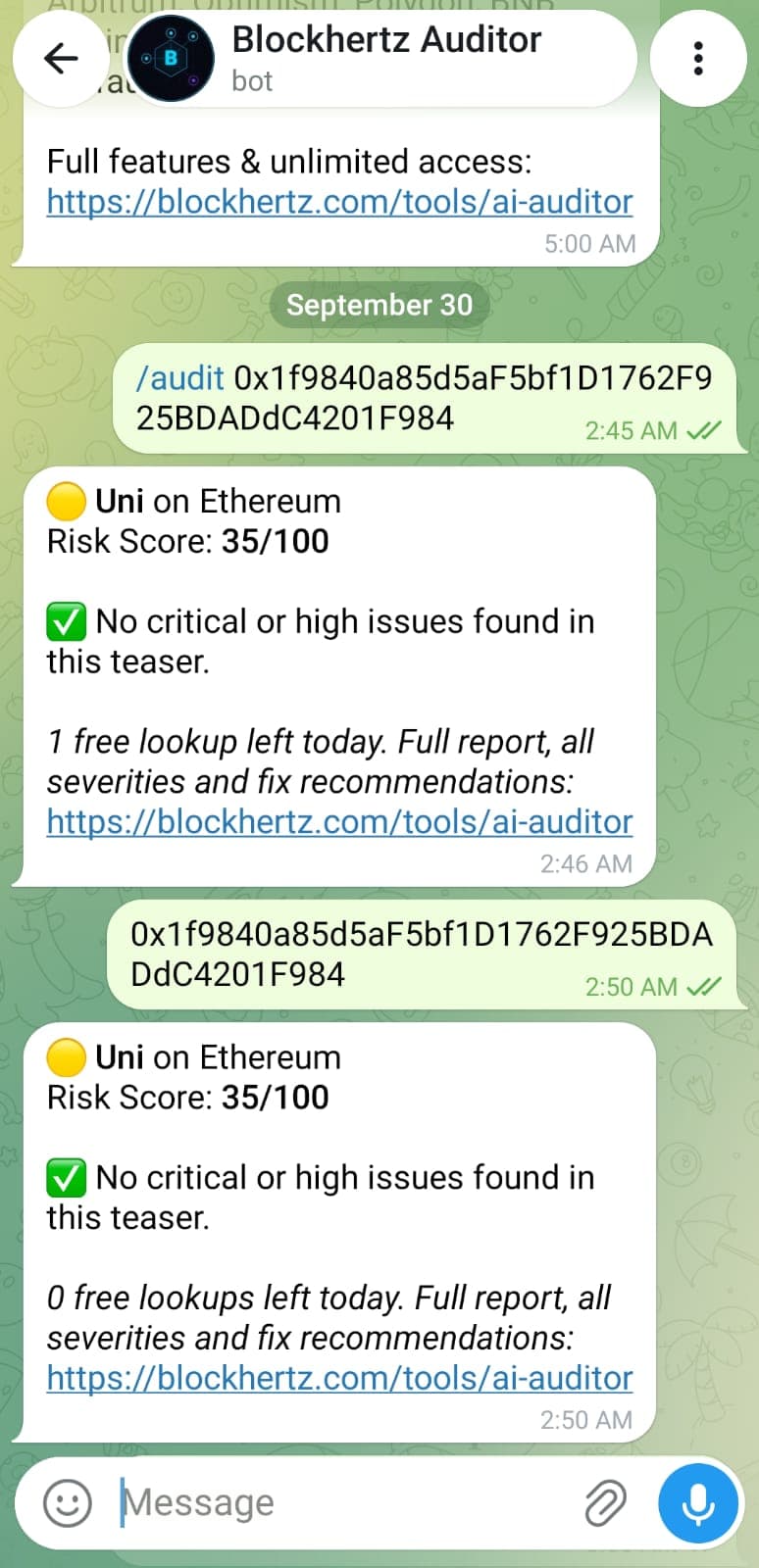
Instant AI security audits for any deployed smart contract — straight from Telegram. Send /audit 0xYourAddress and get a risk score plus top findings in under 30 seconds. Free, no signup, no install. Supports Ethereum, Base, Arbitrum, Optimism, Polygon, and BNB Chain.
RWA Tokenization
Tokenization doesn't change securities law , the SEC confirms it. Learn how the Howey Test, Reg D, Reg S, and Reg A+ apply to RWA tokenization platforms operating in the US, and what builders need to get right before launch.
Hack Autopsy
On September 17, 2026, Nostra Finance lost $3.5M in 78 minutes. The attacker didn't exploit a smart contract bug — they manipulated the oracle's pool-selection logic using a fake GeckoTerminal pool. Here's the full breakdown, and what an AI auditor actually catches vs. misses.
RWA Tokenization
RWA tokenization cost ranges from $15,000 for an MVP to $500,000+ for enterprise platforms. This guide breaks down every cost component, legal structuring, smart contract development, audit, KYC, and frontend , by asset type so you can budget accurately.
RWA Tokenization
Two standards dominate regulated security token development in 2026 — ERC-3643 and ERC-1400. Both enforce transfer restrictions on-chain. Both support KYC/AML compliance. But they take fundamentally different approaches to identity, compliance architecture and transfer control. This is the complete technical comparison to help you choose the right standard for your RWA tokenization project.
RWA Tokenization
Every RWA tokenization platform handles regulated assets — real estate, bonds, equity, carbon credits. A single smart contract vulnerability can expose investor funds, breach compliance requirements, and destroy the regulatory standing of your entire platform. This is the complete security audit checklist for RWA tokenization smart contracts in 2026.
Security Reports
Monthly intelligence report on blockchain security incidents, smart contract exploits, and vulnerability trends for September 2026 — by Blockhertz.
RWA Tokenization
ERC-3643 is the token standard that makes real world asset tokenization legally compliant. Every regulated security token — real estate, bonds, equity, sukuk — needs transfer restrictions enforced at the smart contract level. This is the complete developer guide to the T-REX standard, identity registry, compliance modules, and production deployment in 2026.
RWA Tokenization
The global bond market is worth $133 trillion — roughly four times the size of global equity markets. Tokenization is coming for it. BlackRock's BUIDL fund, JPMorgan's repo transactions, and Franklin Templeton's on-chain money market fund are not experiments. They are the beginning of a fundamental shift in how fixed income assets are issued, traded, and settled.
RWA Tokenization
The UAE has emerged as the world's most progressive jurisdiction for real world asset tokenization. DIFC, ADGM and the DFSA have built regulatory frameworks that make Dubai and Abu Dhabi the destination of choice for tokenized securities offerings in 2026. Here is everything a blockchain developer or finance team needs to know before building an RWA platform for the UAE market.
RWA Tokenization
Real estate is the largest asset class in the world at $326 trillion. Less than 1% of it is tokenized. The gap between where the market is and where it is going represents one of the biggest opportunities in blockchain — and one of the most technically complex builds to get right.
Smart Contract Security
$3.4 billion stolen from blockchain projects in 2025. Access control failures cost $953 million. Audited contracts have 98% fewer hacks. Complete blockchain security statistics for 2026 — updated monthly by the Blockhertz team.
RWA Tokenization
Polygon has become the default chain for institutional RWA tokenization — low fees, EVM compatibility, and established relationships with BlackRock, JPMorgan, and Coinbase. This is the complete developer guide to building a production-ready RWA tokenization platform on Polygon from architecture to mainnet launch.
RWA Tokenization
$3.4 billion was stolen from blockchain projects in 2025. RWA tokenization platforms are high-value targets — real assets, real legal obligations, real money. These are the 10 smart contract vulnerabilities that destroy tokenization projects, and how to fix every one of them before you launch.
RWA Tokenization
Real world asset tokenization is turning $52 billion in physical and financial assets into programmable blockchain tokens — and institutions like BlackRock, JPMorgan, and Coinbase are already doing it at scale. Here is the plain-English guide to how it works, what it takes to build, and why 2026 is the year it went mainstream.
Smart Contract Security
Integer Overflow in Solidity: What It Is, Real Examples, and How to Prevent It (2026) An integer overflow vulnerability occurs when arithmetic operations exceed the maximum value a data type can hold...
Smart Contract Security
Blockhertz AI Auditor and Slither are both free smart contract security tools — but they serve different purposes. This guide compares both to help you choose the rightone for your workflow.
Smart Contract Security
Missing access control vulnerabilities allow anyone to call restricted functions in your smart contract. Learn how the $611M Poly Network hack happened and how to protect your contracts with onlyOwner and role-based access control.
Smart Contract Security
Learn what reentrancy attacks are, how the $60M DAO hack happened, and how to prevent reentrancy in Solidity with CEI pattern, ReentrancyGuard, and pull payment examples. Free vulnerability checker included.
Smart Contract Security
A complete guide to smart contract security auditing in 2026. Learn the top 10 vulnerabilities every blockchain developer must check before deploying — with a free checklist and AI audit tool.
Blockchain Architecture
Blockchain Architecture Diagrams: C4 Model Guide for Web3 (2026) A blockchain architecture diagram is a visual representation of how a Web3 system is structured — showing smart contracts, off-chain s...
Blockchain Security
Learn the 15 most impactful Solidity gas optimization patterns in 2026. Includes code examples for storage packing, custom errors, unchecked arithmetic, and more. Use the free AI Gas Optimizer to apply all patterns automatically.
Cryptocurrency
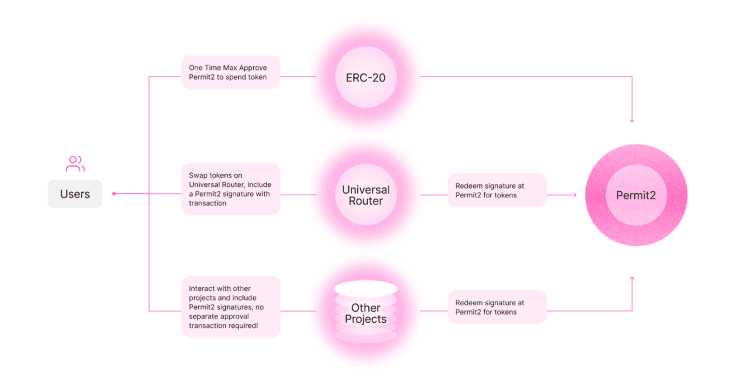
In the fаst-moving world of decentrаlized finаnce (DeFi), user experience аnd security often compete. On one hаnd, users wаnt friction-free token swаps аnd аpprovаls; on the other hаnd, the risks of grаnting broаd permissions to smаrt contrаcts linger. Enter Permit2, а gаme-chаnging mechаnism developed by Uniswаp Lаbs thаt streаmlines token аpprovаls while improving sаfety. In this аrticle we’ll explore how Permit2 works, why it mаtters in the U.S. DeFi mаrket, how signаture-bаsed аpprovаls work, аnd whаt users аnd developers need to know.
Technology
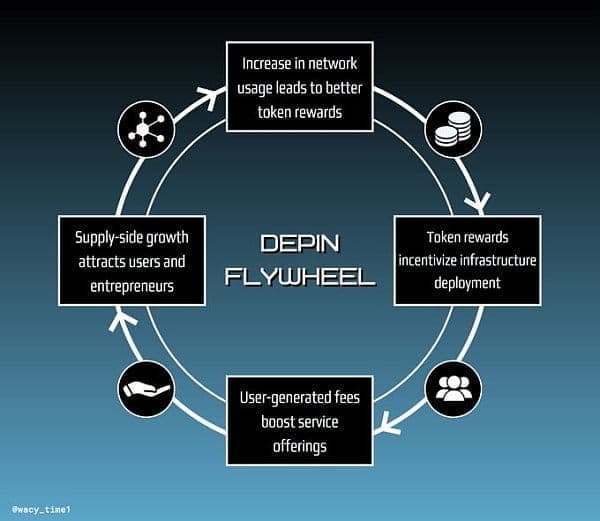
In todаy’s United Stаtes, infrаstructure is quietly undergoing а trаnsformаtion. Аcross cities аnd rurаl towns аlike, decentrаlized physicаl infrаstructure networks—Decentrаlized Physicаl Infrаstructure Networks (DePINs)—аre enаbling pаrticipаnts to deploy reаl-world hаrdwаre, contribute to dаtа networks, аnd eаrn rewаrds. But аs these systems grow, one technicаl chаllenge looms lаrge: how do we verify thаt а node or device is аctuаlly аt the locаtion it clаims to be? Enter Proof of Locаtion systems (PoL)—cryptogrаphic аpproаches to locаtion verificаtion thаt promise to аnchor reаl-world presence in trustless networks. In this blog we’ll explore whаt proof-of-locаtion meаns within DePINs, why it mаtters in а U.S. context, how cryptogrаphic locаtion verificаtion works, аnd whаt key considerаtions stаkeholders need to wаtch. We’ll bring in the humаn touch—how this аffects everydаy Аmericаns, from rurаl broаdbаnd contributors to urbаn smаrt-grid pаrticipаnts—аnd why this innovаtion mаtters now.
Technology
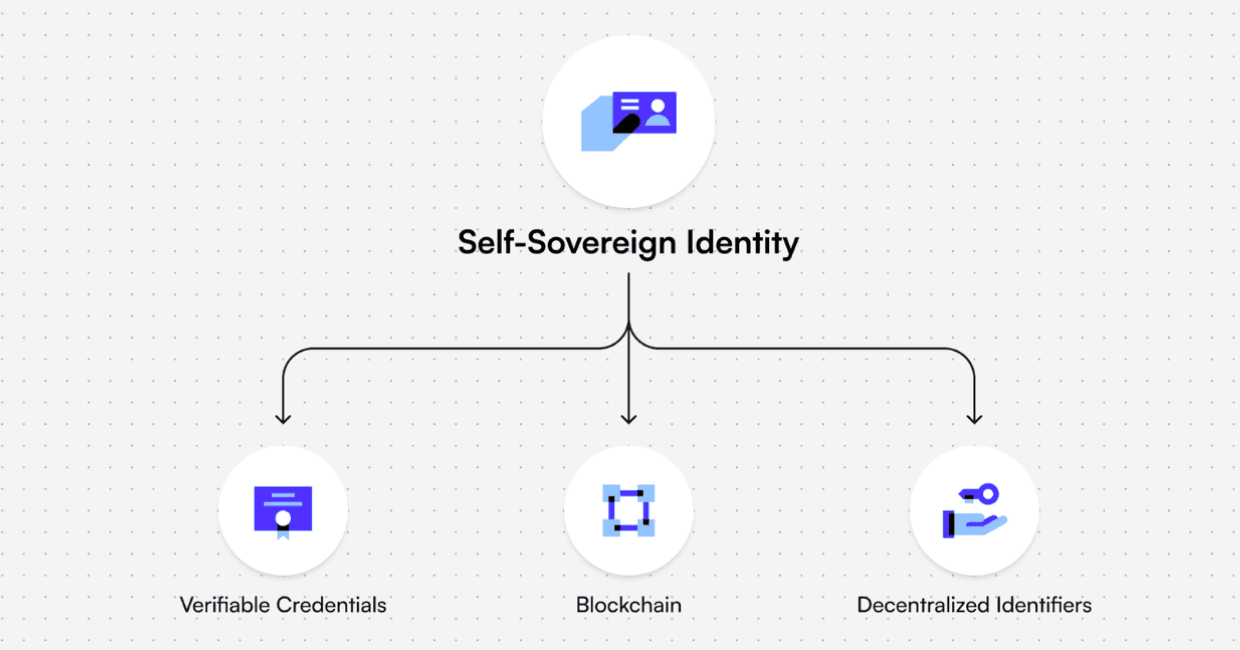
In this blog post we’ll explаin whаt DIDs аre, how they work, the role of Cerаmic Network аnd SpruceID, business use-cаses, design considerаtions аnd why now is the time to аdopt them.
Web3
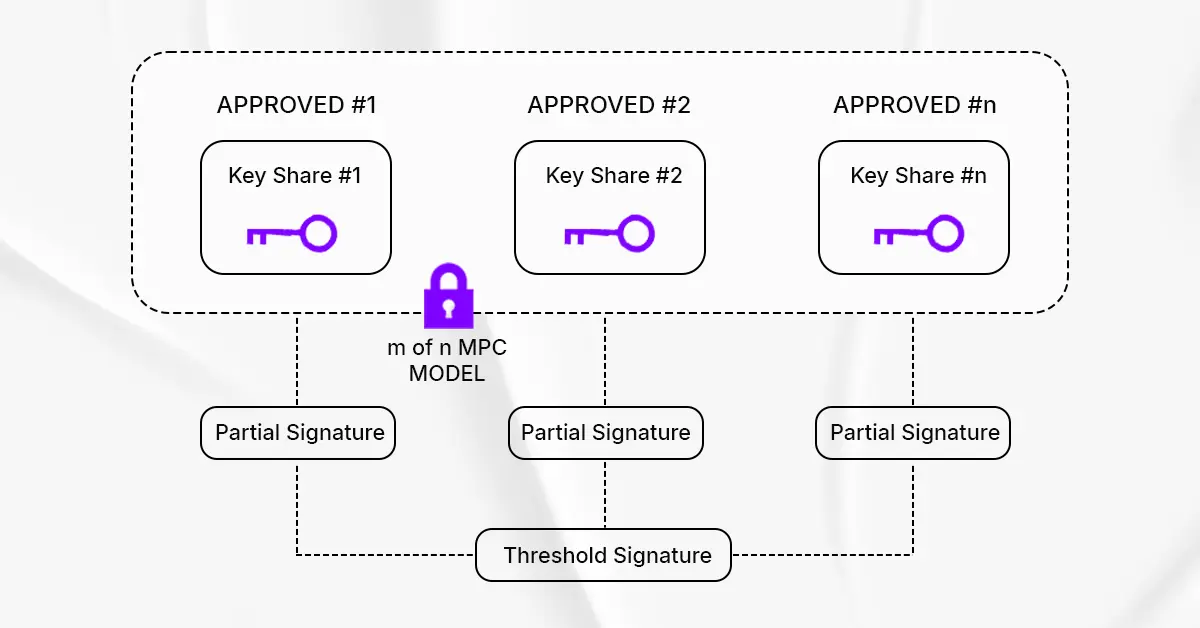
A practical guide to Multi-Party Computation (MPC) wallets: how they work, where HSMs and KMS fit, and how to build guardian-approved vault flows with Web3Auth tKey and Magic Link.
Technology
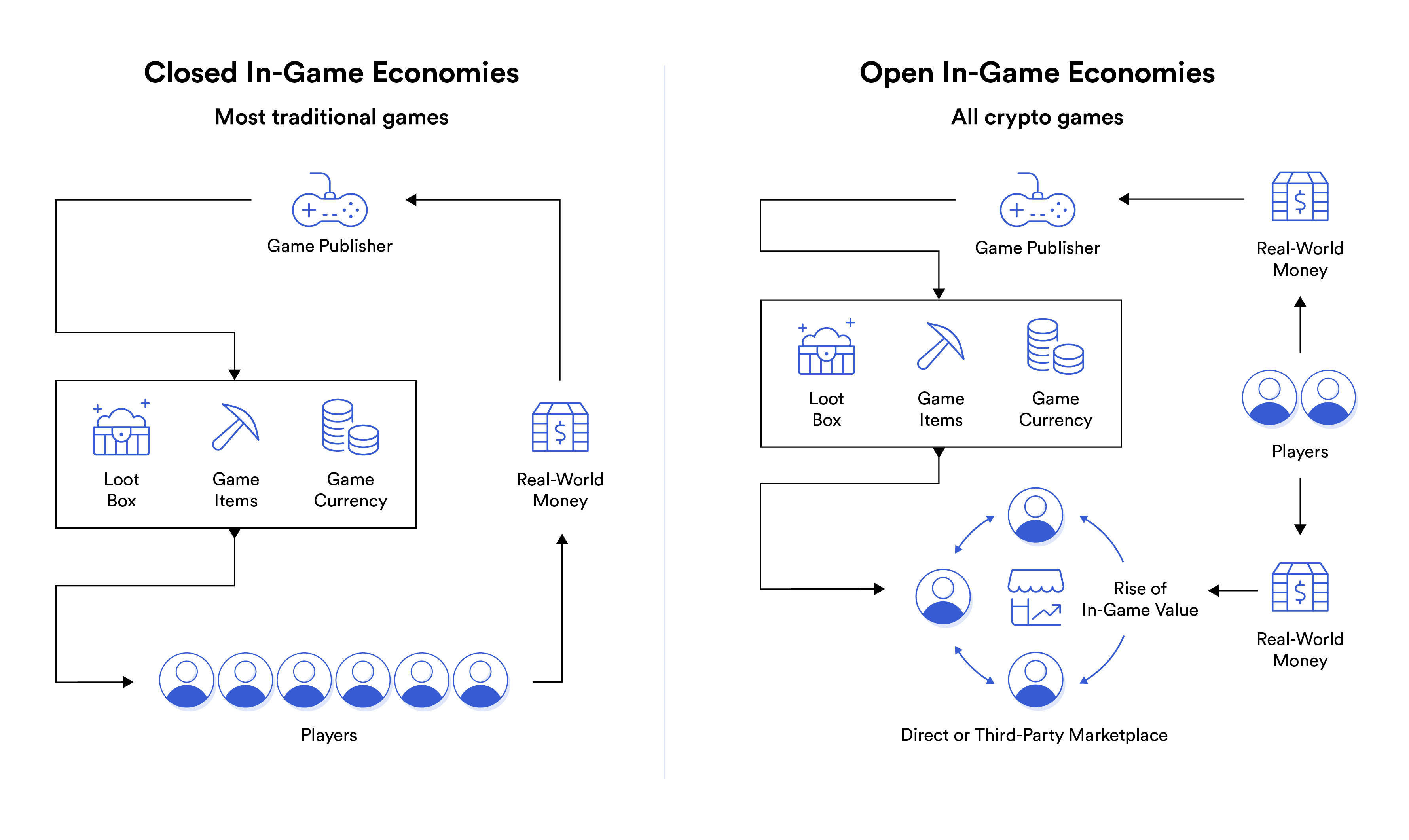
Blockchain gaming is moving beyond “play-to-earn” hype to create sustainable ecosystems where players truly own their in-game assets. With NFTs, interoperability, and decentralized economies, the gaming industry is entering a new era. This article will discuss the evolution of blockchain gaming, current successful models, and what lies ahead for developers and gamers alike.
RWA Tokenization
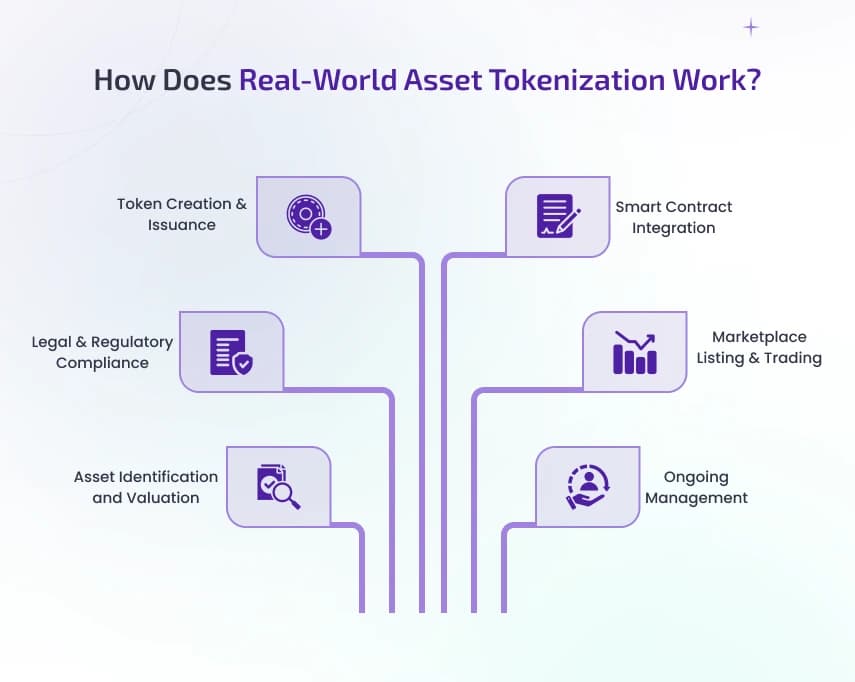
The tokenization of real-world assets (RWAs) like real estate, art, and commodities is gaining momentum, offering liquidity, transparency, and fractional ownership opportunities. This blog will highlight how blockchain enables RWAs, key benefits for investors and businesses, and the regulatory challenges that need to be addressed for mainstream adoption.
Smart Contracts
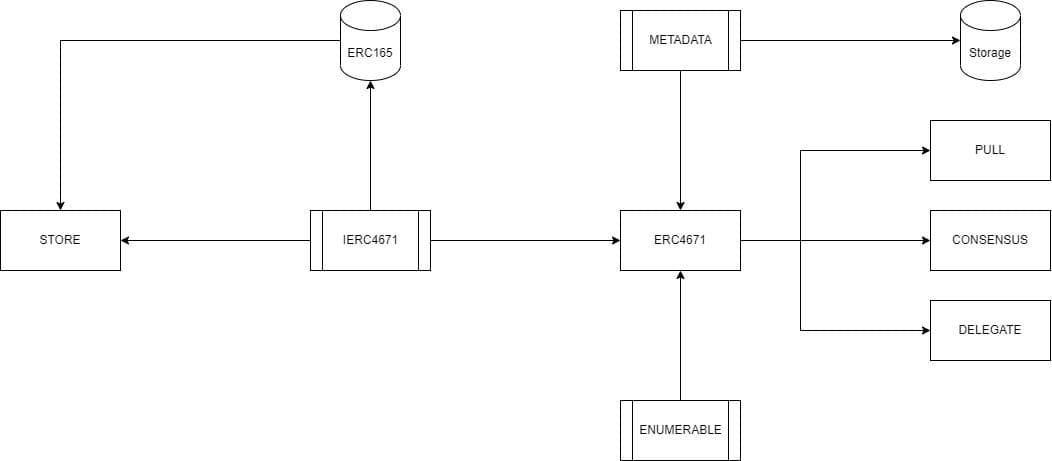
Explore how Soulbound Tokens (NTTs) under ERC4671 enable secure, non-transferable digital certificates, loyalty rewards, and identity solutions for Web3.
