
Author
Senior Blockchain Developer & Smart Contract Security Engineer
Muhammad Asif is a blockchain developer and security engineer with over 8 years of experience building Web3 systems. He founded Blockhertz in 2018 — an AI-powered blockchain engineering platform serving clients worldwide.
He specializes in smart contract security auditing, RWA tokenization platform development, and blockchain architecture design. He holds a BSc in Computer Science from Karachi University (2008) and a PIAIC Blockchain Certification (2021).
At Blockhertz, he leads development of the AI Smart Contract Auditor, AI Architecture Generator, Gas Optimizer, and Tokenomics Designer — used by blockchain developers across 16+ blockchains worldwide.
Smart Contracts
Real estate is the largest asset class in the world at $326 trillion. Less than 1% of it is tokenized. The gap between where the market is and where it is going represents one of the biggest opportunities in blockchain — and one of the most technically complex builds to get right.
Blockchain
$3.4 billion stolen from blockchain projects in 2025. Access control failures cost $953 million. Audited contracts have 98% fewer hacks. Complete blockchain security statistics for 2026 — updated monthly by the Blockhertz team.
DeFi
Polygon has become the default chain for institutional RWA tokenization — low fees, EVM compatibility, and established relationships with BlackRock, JPMorgan, and Coinbase. This is the complete developer guide to building a production-ready RWA tokenization platform on Polygon from architecture to mainnet launch.
Technology
$3.4 billion was stolen from blockchain projects in 2025. RWA tokenization platforms are high-value targets — real assets, real legal obligations, real money. These are the 10 smart contract vulnerabilities that destroy tokenization projects, and how to fix every one of them before you launch.
Development
Real world asset tokenization is turning $52 billion in physical and financial assets into programmable blockchain tokens — and institutions like BlackRock, JPMorgan, and Coinbase are already doing it at scale. Here is the plain-English guide to how it works, what it takes to build, and why 2026 is the year it went mainstream.
Smart Contracts
Integer Overflow in Solidity: What It Is, Real Examples, and How to Prevent It (2026) An integer overflow vulnerability occurs when arithmetic operations exceed the maximum value a data type can hold...
Technology
Blockhertz AI Auditor and Slither are both free smart contract security tools — but they serve different purposes. This guide compares both to help you choose the rightone for your workflow.
Technology
Missing access control vulnerabilities allow anyone to call restricted functions in your smart contract. Learn how the $611M Poly Network hack happened and how to protect your contracts with onlyOwner and role-based access control.
Smart Contracts
Learn what reentrancy attacks are, how the $60M DAO hack happened, and how to prevent reentrancy in Solidity with CEI pattern, ReentrancyGuard, and pull payment examples. Free vulnerability checker included.
Development
Learn the 15 most impactful Solidity gas optimization patterns in 2026. Includes code examples for storage packing, custom errors, unchecked arithmetic, and more. Use the free AI Gas Optimizer to apply all patterns automatically.
Smart Contracts
A complete guide to smart contract security auditing in 2026. Learn the top 10 vulnerabilities every blockchain developer must check before deploying — with a free checklist and AI audit tool.
Development
Blockchain Architecture Diagrams: C4 Model Guide for Web3 (2026) A blockchain architecture diagram is a visual representation of how a Web3 system is structured — showing smart contracts, off-chain s...
Web3
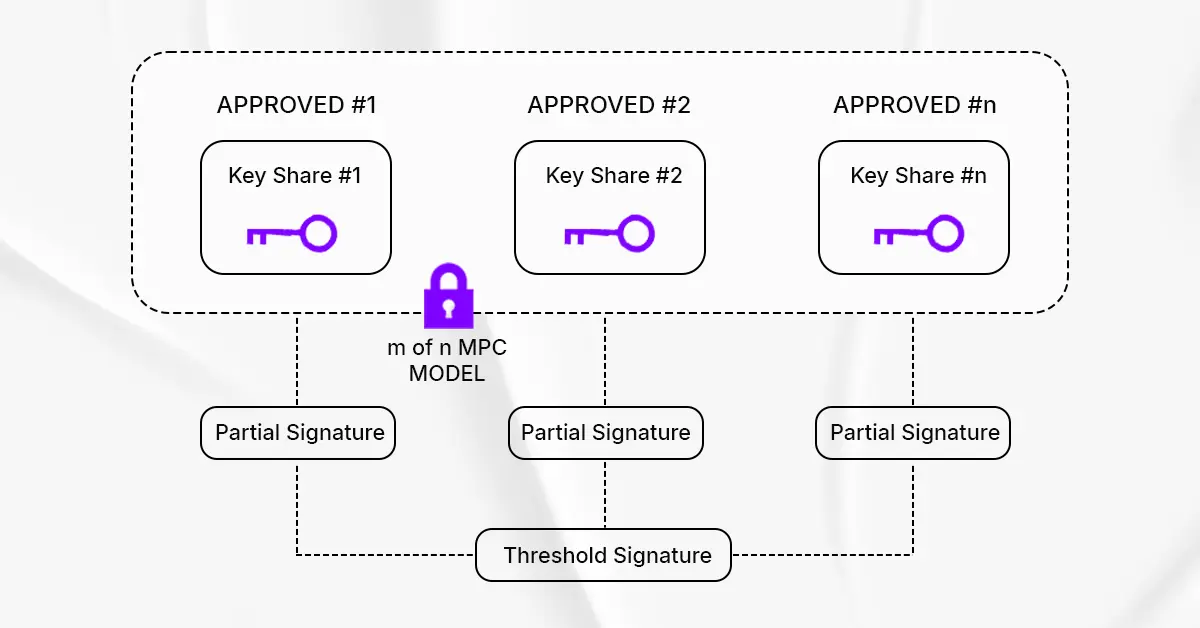
A practical guide to Multi-Party Computation (MPC) wallets: how they work, where HSMs and KMS fit, and how to build guardian-approved vault flows with Web3Auth tKey and Magic Link.
Technology
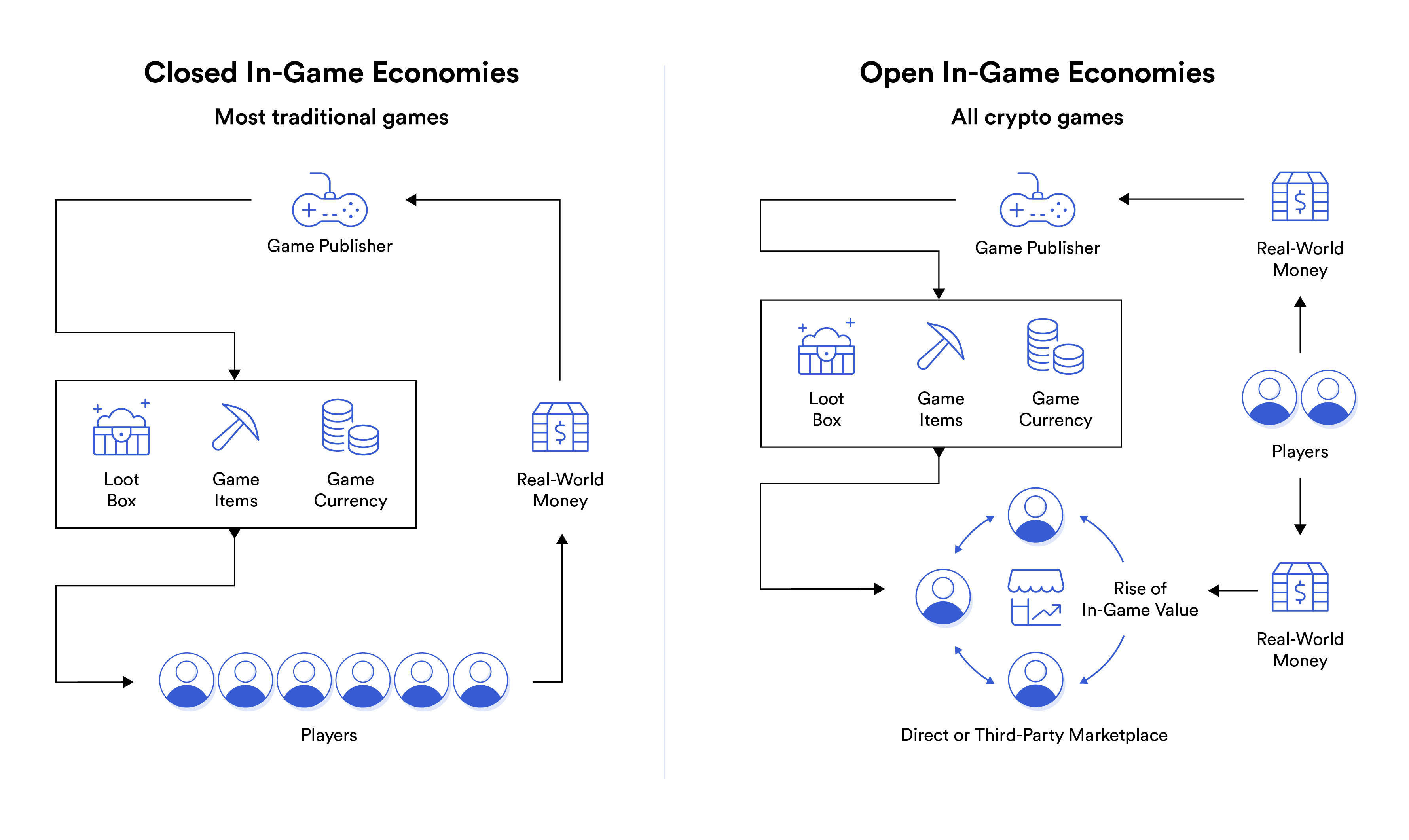
Blockchain gaming is moving beyond “play-to-earn” hype to create sustainable ecosystems where players truly own their in-game assets. With NFTs, interoperability, and decentralized economies, the gaming industry is entering a new era. This article will discuss the evolution of blockchain gaming, current successful models, and what lies ahead for developers and gamers alike.
DeFi
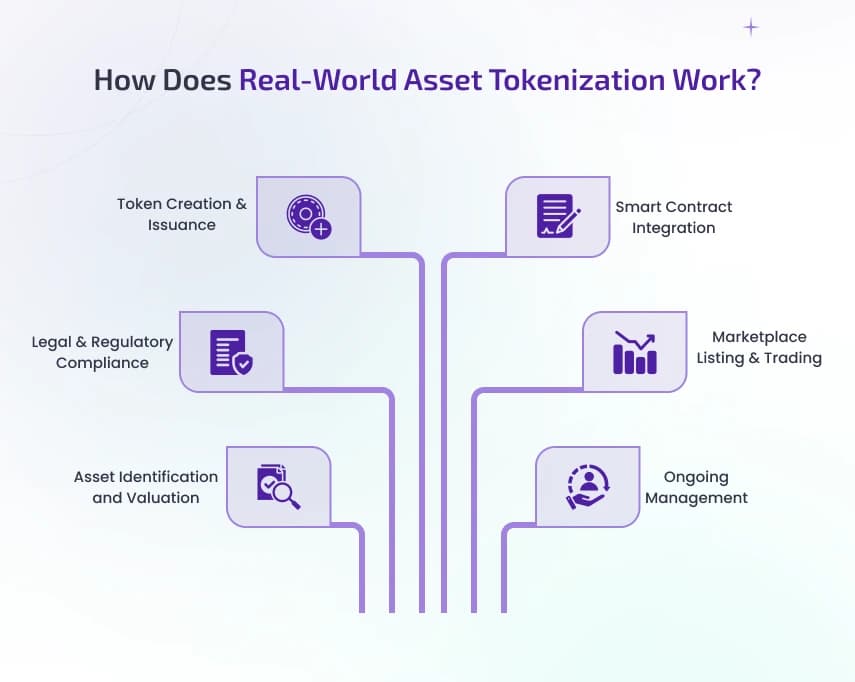
The tokenization of real-world assets (RWAs) like real estate, art, and commodities is gaining momentum, offering liquidity, transparency, and fractional ownership opportunities. This blog will highlight how blockchain enables RWAs, key benefits for investors and businesses, and the regulatory challenges that need to be addressed for mainstream adoption.
Smart Contracts
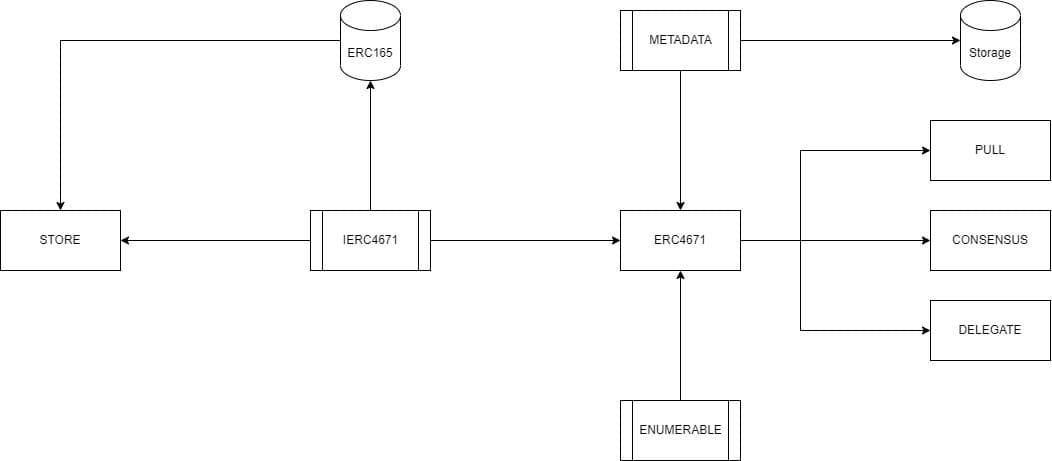
Explore how Soulbound Tokens (NTTs) under ERC4671 enable secure, non-transferable digital certificates, loyalty rewards, and identity solutions for Web3.
